

IT Infrastructure Consulting Services in Worthington, OH
Build A Stronger, More Efficient IT Foundation
Comprehensive IT Infrastructure ServicesIT infrastructure consulting can cover the technology lifecycle from initial assessment and planning through implementation and ongoing operations. An engagement may begin with an evaluation of existing hardware, networks, servers, applications, cloud resources and dependencies. |

Cloud Infrastructure, Cloud Migration, and Cloud Adoption
TeamLogic IT helps businesses evaluate where cloud services and technology fit within their broader IT environment and how cloud adoption can support their operational requirements. The right approach does not necessarily involve moving every workload to the cloud. TeamLogic IT can assess existing applications, infrastructure and business needs to help determine which workloads are appropriate for cloud environments and which may be better suited to remaining on premises.
A cloud migration commonly begins with discovery and assessment. TeamLogic IT reviews applications, data, licenses, integrations, and dependencies to develop a clear picture of the existing environment. From there, the team plans the target architecture, security requirements, migration sequence, and testing process.
During implementation, TeamLogic IT in Worthington migrates the selected applications, data, and workloads to the chosen cloud environment. Validation then confirms that applications, access controls, and integrations operate as intended before the environment transitions into ongoing management and optimization. Commonly used platforms include Microsoft Azure, Microsoft 365, and Amazon Web Services (AWS). The appropriate platform and architecture depend on workload requirements and the organization’s existing technology environment.
For small and midsize businesses, migration timelines vary considerably. A focused migration involving a limited number of workloads may take several weeks, while projects involving legacy applications, complex dependencies or larger data sets may require several months. TeamLogic IT can use the discovery and planning process to establish a migration approach and project schedule based on the scope and requirements of the individual environment rather than relying on a generic timeline.
We can also help businesses plan and manage hybrid environments that combine cloud and on-premises infrastructure. Workloads can be evaluated individually based on considerations such as latency, security requirements, application dependencies, cost and accessibility. This workload-by-workload approach can help businesses adopt cloud technologies where they make operational sense while maintaining on-premises resources where appropriate.
Following a migration, we can provide ongoing IT support to help businesses manage their evolving infrastructure. This creates continuity between cloud planning, implementation and day-to-day technology operations while giving businesses access to local IT resources for their ongoing needs.

Business Continuity and Disaster Recovery Planning
Business continuity and disaster recovery planning prepares an organization to restore technology and resume important operations following an interruption. Infrastructure consulting can help businesses determine which systems need to be restored first and what resources are required to support recovery.
TeamLogic IT business continuity services can include backup and data recovery planning, cloud-based backup solutions, disaster recovery planning and ongoing monitoring and management. TeamLogic IT can also help businesses evaluate existing backup processes, identify which data and applications are critical, and establish recovery priorities based on how technology supports day-to-day operations. Specific services may vary by location.
A disaster recovery plan should document critical applications, data dependencies, backup locations, recovery procedures, responsibilities and communication processes. It should also establish recovery time objectives (RTOs) and recovery point objectives (RPOs). TeamLogic IT can work with businesses to evaluate these requirements and develop backup and recovery approaches that reflect the importance of individual systems, applications and data.
Backup strategies may use full, incremental or differential backups as appropriate to the environment. Organizations may also maintain local, off-site or cloud-based copies depending on recovery requirements. By reviewing where information is stored, how frequently it changes and how quickly it may need to be restored, TeamLogic IT can help businesses determine an appropriate backup strategy for their IT environment.
Testing is an important part of disaster recovery planning. Tabletop exercises allow stakeholders to work through potential scenarios and confirm responsibilities. Technical validation can include restoring backups, testing application recovery and documenting issues discovered during the exercise.
TeamLogic IT can support disaster recovery testing and help organizations review recovery procedures as infrastructure, applications and business requirements change. These activities help organizations determine whether their recovery procedures work as expected rather than assuming that a successful backup automatically means successful recovery.

Security, Compliance, and Resilience
Infrastructure decisions should account for cybersecurity from the planning stage. Network segmentation, identity and access management, endpoint controls, monitoring and secure configuration practices can be considered as part of infrastructure design rather than addressed separately after deployment.
Cloud environments also require an understanding of the shared responsibility model. A cloud provider is responsible for certain components of the underlying platform, while the customer remains responsible for other areas such as identities, permissions, configurations and data. The exact division varies by service and platform.
Continuous monitoring can help organizations identify unusual activity and technical issues that require investigation. Incident response playbooks can establish responsibilities and provide documented steps for common scenarios. Regulated organizations may also have technology requirements related to frameworks or standards such as HIPAA or SOC 2.
TeamLogic IT in Worthington supports the technical side of clients’ compliance needs, with infrastructure recommendations that help organizations address applicable technical requirements. The organization and its legal, compliance, or audit professionals remain responsible for determining and meeting their obligations.
Assessment Framework
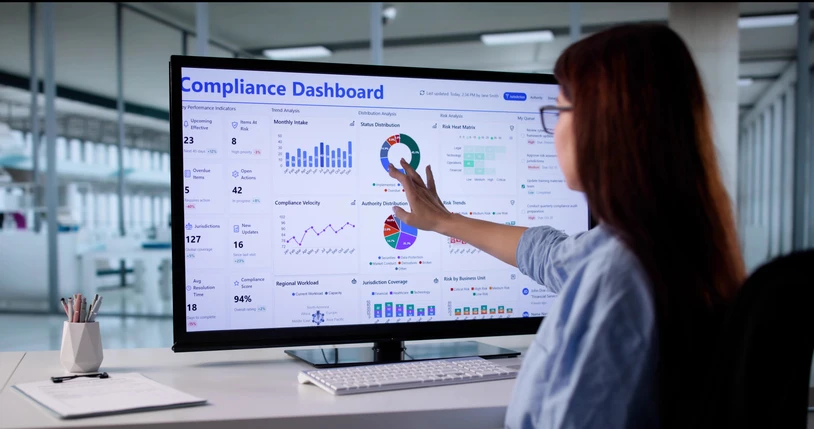
An infrastructure assessment begins by establishing what the organization currently operates. Consultants can inventory servers, endpoints, network equipment, cloud resources, applications and licenses. Mapping dependencies shows how workloads communicate and which systems rely on shared services.
The assessment should also evaluate whether recovery procedures work as intended. Restoring selected backups and simulating failures can reveal issues that may not appear in routine monitoring. Cost analysis connects spending with utilization. Cloud bills, licensing expenses and infrastructure costs can be reviewed alongside actual resource consumption to establish a baseline and identify potential areas for optimization.
The resulting target architecture should reflect more than immediate technical concerns. Business growth, planned hiring, new locations, application changes, and technology initiatives expected over the next one to two budget cycles can influence infrastructure decisions. This assessment provides a practical foundation for prioritizing projects. Organizations can distinguish changes that address immediate operational requirements from improvements that can be planned for later.

Next Steps
Organizations considering an infrastructure project can begin by requesting a consultation with a local TeamLogic IT office. Preparing a short discovery checklist can make the first conversation more productive. Useful information includes current infrastructure concerns, important applications, cloud platforms, business continuity requirements, upcoming technology projects, locations and remote-work needs.
The initial discussion can then focus on the organization’s priorities and determine whether an infrastructure assessment or another type of engagement is appropriate. Request a consultation with TeamLogic IT in Worthington to discuss your current infrastructure and determine practical next steps for your organization.
