
Server and Network Design Services in Arvada, CO

Build A Stronger Foundation for Connectivity and Security

Strategic Network Design for Reliable Digital Infrastructure. Building a Better Business Network.

A business network connects employees, applications, devices, cloud resources, and data across an organization. As those environments become more complex, simply adding equipment when a need arises can create performance, management, and security challenges. Network design services take a more structured approach, helping businesses plan their digital infrastructure around current requirements and future needs.

Network design is the process of planning how network components, connections, traffic, security controls, and access requirements work together. Network design services can include assessing existing infrastructure, developing network diagrams, planning wired and wireless connectivity, defining segmentation, selecting equipment, and preparing an implementation strategy.

Organizations across healthcare, manufacturing, education, retail, professional services, and other industries can benefit from professional network design. As a managed services provider, TeamLogic IT in Arvada can help businesses evaluate their network requirements and develop an approach aligned with their operations, users, locations, applications, and growth plans.

Build a Stronger, More Secure Network Infrastructure.

Your business depends on a reliable, secure, and scalable IT infrastructure to stay connected and productive. TeamLogic IT provides expert server and network design services to help optimize performance, strengthen security, minimize downtime, and build technology environments that support your business operations and future growth.

How TeamLogic IT Approaches Network Design

Effective network design starts with understanding what is already in place. Before recommending new equipment or architecture, an IT team should assess existing assets, business requirements, and network activity.

The discovery process may include interviews with business and technology stakeholders to understand how employees use the network, which applications are critical to operations, where connectivity challenges occur, and what changes the organization anticipates.

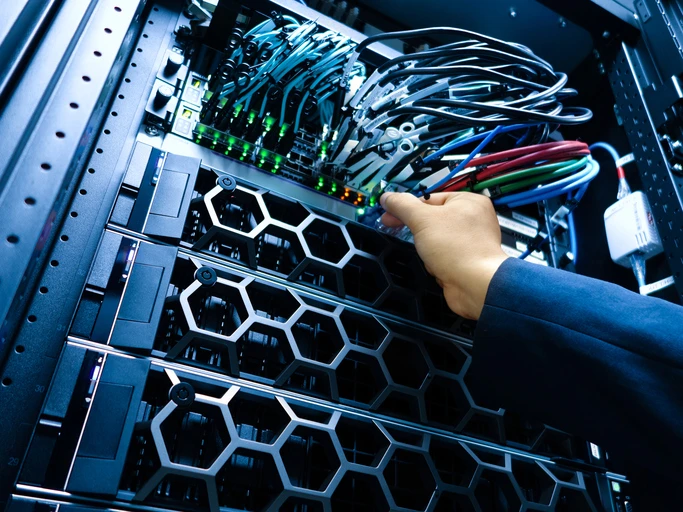
Server and Network

Wi-Fi Planning and Wireless Site Surveys

Wireless connectivity has become an essential part of business infrastructure, but effective Wi-Fi involves more than installing additional access points. Wireless planning may begin with a predictive survey that uses building information and anticipated usage to model coverage.

An on-site wireless survey can then assess the actual environment, including walls, building materials, equipment, competing wireless signals, and other sources of radio frequency interference.

This information helps determine appropriate access point placement and channel planning. It can also identify areas where interference, coverage limitations, or high user density may affect performance. For businesses updating an existing wireless network, a site survey gives TeamLogic IT in Arvada, CO a clearer picture of the physical environment before recommendations are made.

Internet & Wireless Networks

Network Topology, Data Flow, and Segmentation

Network topology describes how devices and network components connect. Different approaches, including tree and mesh configurations, have different considerations related to redundancy, complexity, performance, and cost.

The right architecture depends on the organization. Mapping data flows for core applications can show how employees, systems, and devices interact and where network resources are most important.

Segmentation provides another layer of control. Virtual local area networks, or VLANs, can establish boundaries between different groups of users, devices, and systems. For example, guest wireless traffic can be separated from internal business resources.

Design planning can also incorporate redundancy and failover mechanisms where appropriate, helping organizations maintain access to important network resources during certain equipment or connectivity disruptions.

Network floww

Secure Access and Data Protection Strategies

Security should be considered during the network design process rather than added after the network is built. Depending on business requirements, designs may incorporate technologies such as identity-based access, firewalls, intrusion detection, endpoint controls, and network segmentation. Businesses may also use branded captive portals to manage guest wireless access while keeping guest traffic isolated from internal resources.

Where appropriate, identity platforms such as Microsoft Entra ID can be incorporated into access strategies. Endpoint encryption and endpoint detection and response (EDR) controls can provide additional layers of data and device protection.

These controls cannot eliminate security risk, but a network architecture designed with security in mind can help organizations establish clearer access boundaries and improve visibility into their technology environment.

Data Protection Strategies

IT Network Implementation and Testing

A strong design also needs a practical implementation plan. Rather than changing an entire environment at once, TeamLogic IT in Arvada can help businesses plan phased deployments based on network dependencies and operational priorities. Cutover windows can be coordinated around business requirements to help reduce disruption.

Acceptance testing provides a structured way to verify the new environment. Tests may evaluate connectivity, wireless coverage, application access, failover behavior, segmentation, and other predefined performance criteria.

Documentation from the design and implementation process can then provide an operational reference for troubleshooting, future upgrades, and changes to the network.

IT Network Implementation

Managed Design Services and Ongoing Support

Network design is not necessarily a one-time exercise. User counts change, new applications are introduced, businesses add locations, and bandwidth requirements evolve.

TeamLogic IT’s managed IT services can help organizations continue managing their digital infrastructure after the initial design and implementation. Depending on the participating location and engagement, businesses may use co-managed services alongside their internal IT staff or rely on a more fully managed approach.

Ongoing support can include network monitoring and proactive remediation activities. Periodic design reviews and capacity planning sessions can also help determine whether the network continues to align with changing business and technology requirements.

This approach makes scalability part of network planning. Instead of designing only for today’s number of employees, devices, and applications, businesses can consider how the infrastructure may need to expand or contract over time.

IT Support

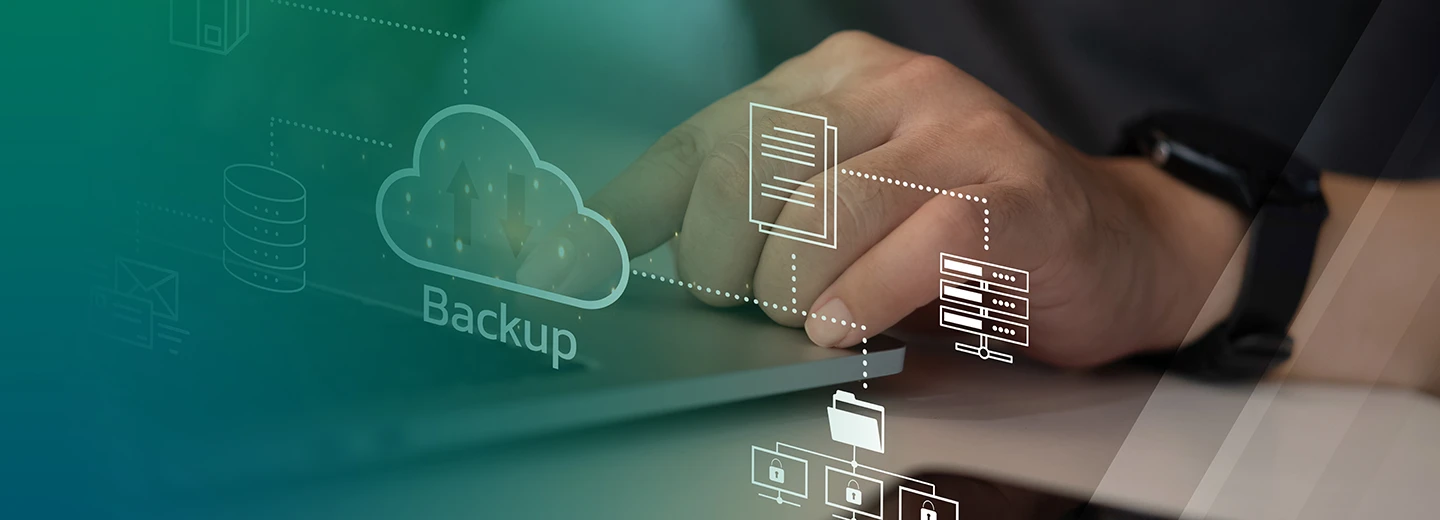
Business Continuity and Disaster Recovery

Business continuity and disaster recovery planning are important components of the modern workplace. Organizations can establish backup procedures, define recovery priorities, test restoration processes, and periodically review continuity plans as technology and business operations change.

TeamLogic IT offices in Arvada provide dedicated backup and disaster recovery solutions to strengthen your defenses and keep your business running smoothly, even when the unexpected occurs.

Business Continuity V2

Next Steps: How TeamLogic IT Can Help

TeamLogic IT in Arvada can help businesses assess existing network infrastructure, identify requirements, and develop a network design suited to their operational goals. A consultation can provide a starting point for reviewing current equipment, connectivity, wireless performance, security considerations, and future capacity needs.

Why TeamLogic IT’s Data Protection Services Work

Request a Consultation

We recognize the importance of advancing your technology with smart IT solutions,
so tell us what’s on your mind by filling out this form, giving us a call, or scheduling a meeting with us.