

IT Procurement Services in Waterbury, VT
A Structured Approach to Technology Purchasing
Why TeamLogic IT for IT Procurement Services?Businesses often manage technology purchases across several departments, vendors, and locations. Without a coordinated process, organizations may end up with inconsistent equipment, overlapping software licenses, different contract terms, or technology that does not integrate effectively with existing systems. |
Procurement can also be coordinated with managed IT services. When the same technology partner understands an organization’s infrastructure, endpoints, applications, cloud environment, and support requirements, procurement decisions can be evaluated in the context of the existing IT environment, including a broader range of technology assets and collaboration tools coordinated in one environment.
For organizations in regulated industries such as healthcare and financial services, procurement decisions may also need to account for internal security policies, data handling requirements, applicable regulatory obligations, industry requirements, and ISO considerations. TeamLogic IT can help clients evaluate technology with these considerations in mind.
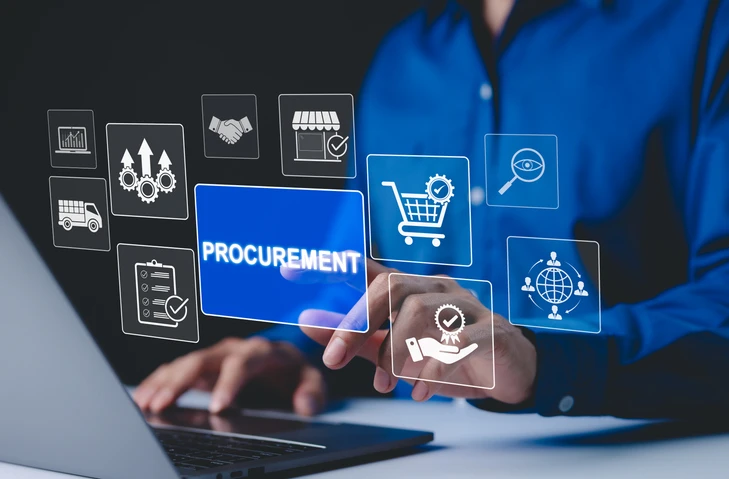
How TeamLogic IT Manages Procurement Processes
An effective IT procurement process begins in the initial phase of planning, before a purchase order is issued. It starts by understanding what the organization already has, what users need, where technology gaps exist, and how upcoming business changes may affect future requirements.
TeamLogic IT can work with client stakeholders to map existing procurement processes. This helps streamline workflows and provides clear visibility into how technology requests originate, who approves them, how budgets are managed, which vendors are involved, and how purchased assets are deployed.
From there, businesses can establish clearer approval workflows and budget controls. For example, different purchasing thresholds may require different levels of authorization. Standard equipment configurations can also help simplify decisions for common needs such as laptops, monitors, mobile devices, and networking equipment, especially for procurement teams.
Organizations with multiple offices may benefit from standardized procurement policies. Establishing approved equipment specifications, software standards, purchasing procedures, and deployment requirements can help reduce unnecessary variation between locations.
Procurement can also be integrated with IT service management processes. A request for a new employee laptop, for example, can trigger purchasing, configuration, security setup, account provisioning, delivery, and asset tracking activities.
Vendor service-level agreements and delivery expectations should also be documented where appropriate. Lead times, warranties, support responsibilities, return procedures, escalation paths, and project timelines can all affect the practical value of a technology purchase.

Vendor Management
Vendor management is an important component of technology procurement because the lowest purchase price does not necessarily represent the best long-term option. Vendor selection should consider factors such as product suitability, availability, technical support, warranty coverage, delivery capabilities, contract terms, and compatibility with existing systems. Security and business requirements may also need to be evaluated depending on the technology being purchased.
TeamLogic IT in Waterbury can help organizations compare vendors against their technical and operational requirements. Supplier vetting can include reviewing available documentation, service capabilities, contract requirements, and relevant security considerations.
Centralizing vendor relationships can also simplify procurement administration. Rather than individual departments establishing separate relationships for similar technology, organizations can consolidate purchasing where appropriate and gain clearer visibility into what is being purchased.
Volume purchasing may also provide opportunities for discounts or more favorable contract terms, depending on the vendor and transaction. More importantly, strategic purchasing allows businesses to evaluate total cost of ownership rather than focusing exclusively on acquisition price.
Ongoing vendor management is equally important. Delivery performance, support responsiveness, contract terms, product reliability, and changing business requirements should be reviewed periodically to determine whether a vendor continues to meet the organization’s needs.

Software Procurement and Cloud Solutions
Modern procurement services extend well beyond physical hardware. Software subscriptions, Software as a Service (SaaS) applications, cloud infrastructure, and licensing agreements now represent a significant part of many IT environments.
TeamLogic IT in Waterbury can help businesses evaluate Microsoft 365, Microsoft Azure, and other cloud solutions based on organizational requirements. Procurement planning can consider licensing requirements, user counts, application dependencies, security configurations, migration needs, and ongoing management.
SaaS procurement deserves particular attention because subscription applications can accumulate gradually across departments. Organizations should identify current licenses, determine actual usage, review renewal dates, compare licensing options, and understand contract requirements before negotiating new agreements or renewals.
Cloud procurement should likewise be connected to migration planning. Selecting a cloud service is only one part of the process. Businesses may also need to consider data migration, application compatibility, identity and access management, backups, connectivity, security controls, and ongoing administration.

Procurement Software
As procurement becomes more structured, software can help businesses organize purchasing activities and improve visibility into technology spending. Which procurement software integrations make sense depends on the organization’s existing applications and workflows. Businesses may consider e-procurement platforms that centralize requests, approvals, purchase orders, vendor information, and purchasing records.
Punch-out catalog capabilities can allow employees to access approved supplier catalogs through a procurement system while maintaining established purchasing workflows and authorization requirements.
Integration is another consideration. Procurement platforms may need to exchange information with accounting systems, IT service management tools, asset management databases, or human resources information systems. HRIS integration can be particularly valuable when employee onboarding and offboarding initiate technology requirements.
Procurement analytics can provide additional insight by showing spending by vendor, technology category, department, or location. Greater spend visibility can help decision-makers identify duplicate purchases, upcoming renewals, purchasing patterns, and opportunities for standardization.
TeamLogic IT in Waterbury can help organizations consider how procurement technologies fit within their broader IT environment and operational processes.

Asset Management
Procurement should not end when a device arrives. A mature IT procurement process connects purchasing with IT asset management. That begins with maintaining an inventory of existing equipment and identifying where each asset sits within its lifecycle.
Devices can be tracked from acquisition and provisioning through active use, reassignment, retirement, and disposition. Asset records may include information such as device type, assigned user, location, warranty status, purchase date, configuration, and planned refresh date.
Provisioning workflows can establish how new equipment is configured before it reaches employees. Depending on organizational requirements, this may include operating system configuration, application installation, endpoint management enrollment, security controls, account setup, and testing.
Deprovisioning is equally important. When an employee leaves or a device is replaced, organizations need a documented process for recovering equipment, removing access, handling company data, evaluating equipment for reuse, and determining whether the asset should be retired.
Secure device return and IT asset disposition procedures can help organizations manage retired equipment appropriately. Redeployment plans may also extend the useful life of suitable equipment by assigning it elsewhere within the organization.
Scheduled refresh cycles provide another advantage. Instead of replacing equipment only after it becomes unsuitable for business use, organizations can plan upcoming technology needs and incorporate them into procurement forecasts and budgets.

Managed Services Supporting Procurement ExecutionProcurement becomes more useful when purchasing decisions connect with ongoing technology management. Managed IT services can help coordinate new technology with monitoring, endpoint management, security practices, support, and lifecycle planning. A newly purchased laptop, for example, may need to be configured, enrolled in endpoint management, connected to business applications, and prepared for the assigned employee. |

Next Steps: Engage TeamLogic IT
Improving IT procurement services begins with understanding the current environment. A procurement readiness assessment can help identify existing assets, purchasing workflows, vendor relationships, software agreements, lifecycle practices, and upcoming technology requirements. From there, organizations can determine where greater standardization or coordination may be useful.
New clients may also consider beginning with a defined procurement project, such as an upcoming hardware refresh, office opening, cloud migration, or software licensing initiative. This provides an opportunity to establish workflows and evaluate how procurement can connect with broader IT management.
TeamLogic IT in Waterbury can help businesses develop an IT procurement approach that connects technology requirements with purchasing, deployment, vendor coordination, asset management, and ongoing IT support.
