
Blog
Discover the five traits that define digital leadership in SMBs and how co-managed IT services help businesses strengthen cloud computing, cybersecurity and network operations for long-term growth.Oct 20, 2026
Cybersecurity
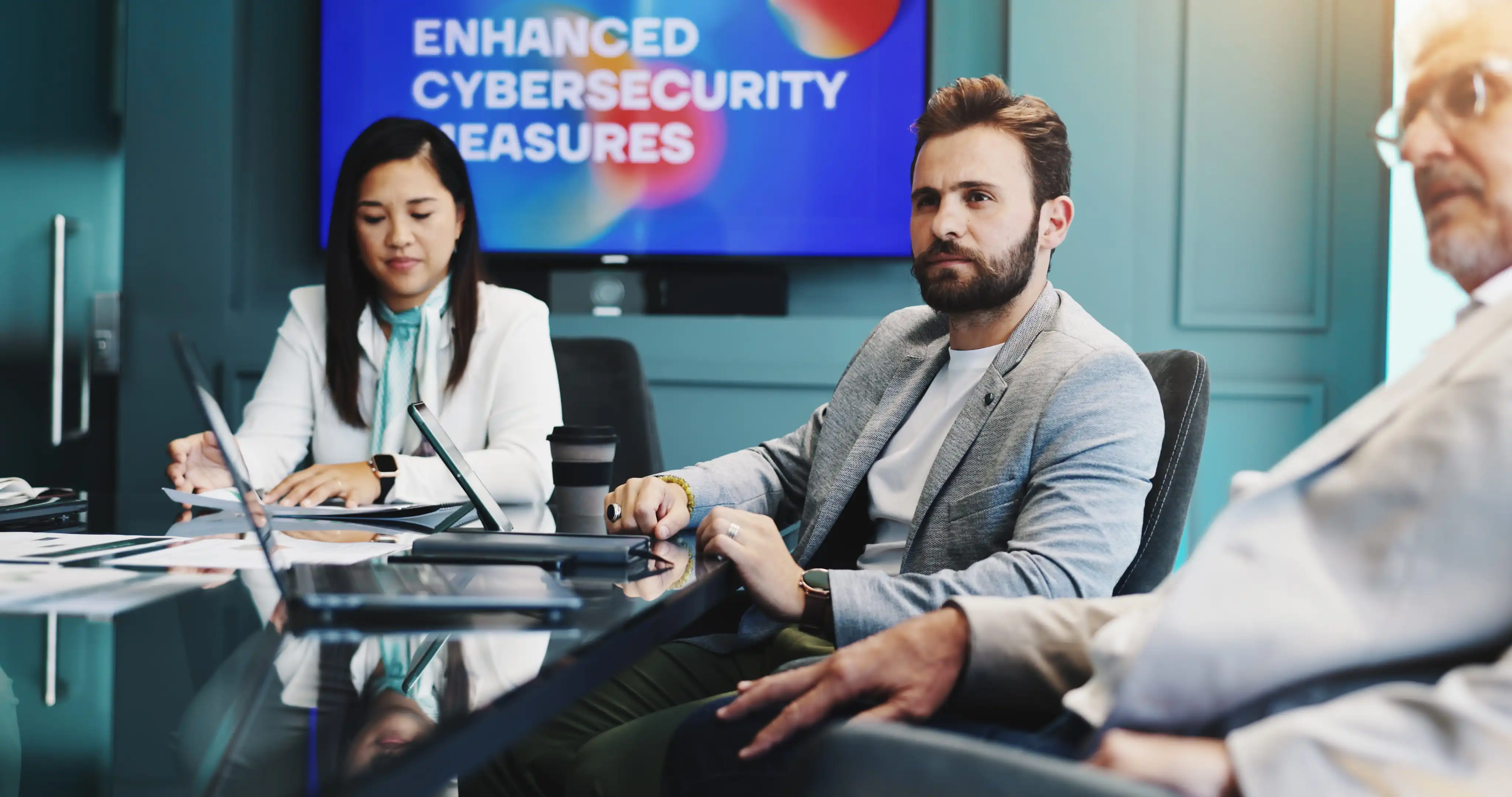
Cyber threats may be getting smarter, but your strongest defense still depends on how well your people are prepared. Costly cybersecurity incidents often stem from simple, everyday actions, such as clicking a convincing phishing e-mail, mishandling sensitive information or using compromised login credentials. While cyber threats continue to evolve, one thing remains constant: human behavior plays a central role in both cybersecurity risk and resilience. Technology provides important layers of protection, but cybersecurity tools alone cannot eliminate every potential risk. Employees make decisions every day that can affect an organization’s security. The ability to recognize a suspicious message, protect account credentials or quickly report something unusual can make a meaningful difference. That's where security awareness training comes in. Security awareness training teaches employees how to recognize cybersecurity threats and make safer decisions when using company systems, devices, applications and data. The goal is not to turn every employee into an IT or cybersecurity professional. Rather, it is to help employees understand common risks and know what steps to take when something does not look right. Effective training can address everyday cybersecurity issues, including:
Phishing remains an important area of employee education. CISA advises small and medium businesses to train employees to identify phishing warning signs, including unexpected requests, urgent language and suspicious links. CISA also notes that training employees to recognize and avoid suspicious messages can help prevent phishing attacks from causing harm. Why Employees Are an Important Cybersecurity DefenseEmployees are sometimes described as cybersecurity's weakest link. But that description tells only half the story. Employees can also become one of an organization's first lines of defense. The difference lies in whether people have the knowledge and confidence to recognize, avoid and report potential threats before damage is done. For example, an employee who recognizes an unusual e-mail requesting login credentials or a financial transaction may be able to flag the message instead of responding to it. The same principle applies to suspicious text messages, phone calls and other forms of social engineering. The threats employees encounter are evolving, too. AI-assisted cyberattacks and increasingly sophisticated social engineering techniques are creating new challenges for companies. That means cybersecurity awareness needs to evolve along with the threats. Build a Security-First MindsetEffective cybersecurity awareness training for employees can help establish a security-first mindset across an organization. Rather than leaving cybersecurity solely to the IT department, awareness training helps employees understand that they have an important role in protecting company data, systems and operations. Cybersecurity then becomes a shared responsibility practiced throughout the business. Training is most useful when it connects cybersecurity to situations employees may encounter during the workday. Real-world scenarios involving phishing, credential misuse, suspicious requests and safe data handling can help make cybersecurity more relevant and actionable. It is also important for employees to know how to report concerns. People should feel comfortable raising a red flag when something appears unusual rather than ignoring a potential problem. Why Cybersecurity Training Should Be OngoingHow often should businesses provide security awareness training? The key is consistency. Cybersecurity education should not be treated as a one-time activity because the threats facing businesses continue to change. An annual training session may establish a foundation, but ongoing reinforcement can help keep cybersecurity top of mind. Training content can be refreshed as new risks emerge and existing attack techniques evolve. Organizations can reinforce awareness through periodic education, reminders and realistic exercises. Simulated phishing exercises, when appropriately managed, can give employees an opportunity to practice recognizing suspicious communications in a controlled environment. An experienced managed services provider (MSP), such as TeamLogic IT, can also work with businesses to support cybersecurity awareness efforts as part of a broader security strategy. Turning Cybersecurity Awareness Into a Business AdvantageThe value of security awareness training extends beyond preventing someone from clicking the wrong link. A well-prepared workforce can contribute to a broader culture in which employees understand that protecting the organization's information and systems is everyone's responsibility. Training also complements the technology businesses already use to protect their environments. Cybersecurity works best when people, processes and technology support one another, providing multiple layers of defense rather than relying on any single security measure. For small and medium-sized businesses (SMBs), that approach can be particularly important. CISA provides cybersecurity awareness and training resources specifically designed to help organizations, including small businesses, develop actionable cybersecurity practices and build a culture of cyber readiness. Stronger Cybersecurity Begins With a Prepared WorkforceCyberattacks will continue to evolve. Phishing messages may become more convincing, social engineering techniques more sophisticated, and AI may help cybercriminals work faster. But the fundamentals of cybersecurity remain essential. An informed employee who recognizes a potential threat and knows how to respond can provide an important layer of protection. That's why businesses should view security awareness training as more than a compliance exercise. It is an ongoing investment in creating a knowledgeable workforce, strengthening cybersecurity culture and supporting greater resilience. Technology will always be an essential part of cybersecurity. But technology works best when the people using it are prepared, alert and empowered to act. TeamLogic IT can help your business strengthen its cybersecurity strategy with solutions and expertise designed around your organization's needs. Contact us to learn how we can help you build a more cyber-aware and resilient business. |
 |