


Unified Communications Services in Chapel Hill, NC
Streamline Your Business Communications
What Are Unified Communications Services?Unified communications (UC) combines multiple business communication capabilities within an integrated environment. Depending on the solution, a unified communications system may incorporate business voice, instant messaging, presence, video meetings, audio conferencing, voicemail, and collaboration tools. |

Assess Your Business Communication NeedsSelecting unified communications software should begin with understanding how the business currently communicates. Organizations can inventory their existing phone systems, conferencing platforms, messaging applications, collaboration technologies, devices, and network connections. |

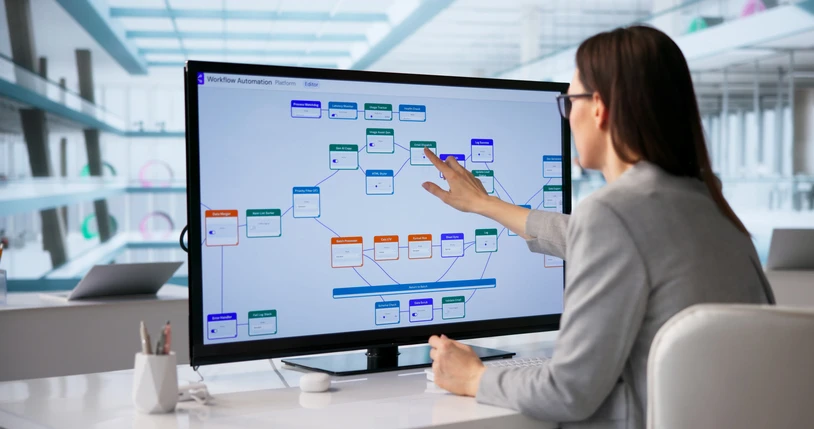
Connect Communications with Business WorkflowsThe value of a UC environment extends beyond providing employees with additional ways to communicate. The technology should fit into the workflows employees already use. |
Core Unified Communications CapabilitiesThe capabilities included in a unified communications system vary by platform, but several technologies commonly form the foundation of UC. Business Voice and VoIPVoice over Internet Protocol (VoIP) allows voice communications to operate over IP networks rather than relying exclusively on traditional telephone infrastructure. Messaging, Presence, and CollaborationInstant messaging gives employees another way to communicate without relying on a call or meeting. Presence capabilities can indicate whether colleagues are available, busy, away, or in a meeting. Video Meetings and Audio ConferencingVideo meetings and audio conferencing are another important part of modern business communications. Platforms may offer browser-based access, dial-in options, screen sharing, recording, or transcription capabilities. |

Cloud-Based, On-Premises, and Hybrid UCThere is no single deployment model that fits every organization. |

Network Readiness for Unified CommunicationsSince many unified communications capabilities depend on IP networks, network readiness deserves careful attention before deployment. |

Integrating Unified Communications with Existing SystemsMany businesses are not starting with a blank technology environment. Existing phone systems, applications, productivity platforms, and collaboration technologies all need to be considered. Depending on the technologies involved, a migration may include a period when existing and new communications systems operate alongside one another. |

Planning a Unified Communications DeploymentA unified communications deployment begins with understanding the existing environment. Organizations can review their communications technologies, network infrastructure, users, devices, applications, and integrations before defining future requirements. |

Network Segmentation by TeamLogic ITTeamLogic IT in Chapel Hill helps organizations evaluate where network segmentation fits within their broader IT and network security strategy. An assessment engagement can begin with reviewing network architecture, identifying connected assets and documenting existing communication patterns. The resulting information can help determine which systems should be separated and which communication paths are necessary for business operations. |

Potential Benefits of Unified CommunicationsBringing multiple communications capabilities together can support a more connected working environment. Employees can access different communication channels through related tools rather than relying on separate technologies for every interaction. UC can also support collaboration among employees working from different offices, remote locations, or hybrid environments. |

How TeamLogic IT Can Help
Unified communications should be considered as part of the broader managed IT services environment. Network infrastructure, cybersecurity, cloud services, business applications, user devices, and existing communications technologies can all influence unified communications decisions.
TeamLogic IT can help organizations evaluate communications requirements in this broader context. This can include reviewing existing technologies, considering network requirements, evaluating potential integrations, and addressing cybersecurity considerations during planning.