
What Are Data Protection Services?
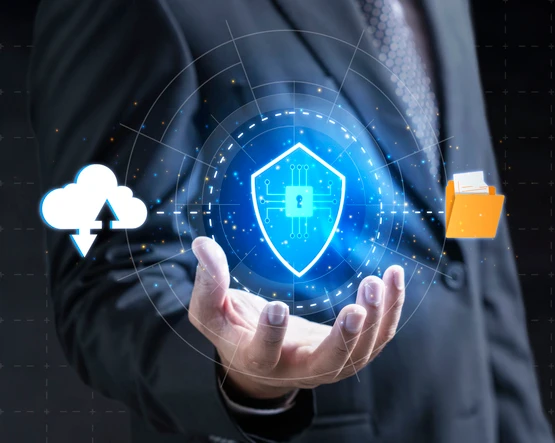
Data protection services are managed IT solutions designed to safeguard business information from cyberattacks, accidental deletion, insider threats, hardware failures, ransomware, and natural disasters.
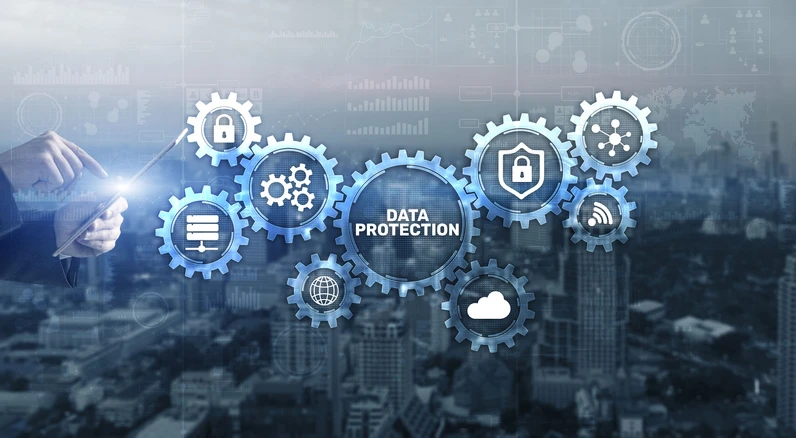
A comprehensive data protection strategy combines multiple security technologies, policies, and monitoring tools into one coordinated approach. Rather than relying on a single solution, organizations use layered security controls that work together to reduce risk while ensuring employees can continue working.
At TeamLogic IT in Kirkland, these services are delivered through ongoing management, monitoring, proactive maintenance, and strategic consulting to help organizations adapt as threats evolve.
Tailored Data Protection Services
Every business has different operational requirements, regulatory obligations, and technology environments. A healthcare practice handles protected health information differently than a manufacturing company managing proprietary production data. Likewise, a multi-location franchise has different security needs than a nonprofit organization with a distributed workforce. TeamLogic IT in Kirkland tailors every data protection strategy to the organization’s infrastructure, compliance requirements, and growth plans.
Backup and Recovery
No security solution is complete without reliable backup and recovery capabilities. Hardware failures, ransomware, accidental deletions, software corruption, and natural disasters can all lead to data loss. Even organizations with strong cybersecurity defenses must prepare for unexpected events that threaten business operations. Backup and recovery services create secure copies of business data and systems so they can be restored quickly when needed.
Rather than relying on a single backup location, TeamLogic IT in Kirkland helps businesses implement resilient backup strategies that include local storage, cloud replication, and offsite redundancy. This layered approach reduces the risk of losing critical information due to a single point of failure.
Recovery planning and business continuity are equally important. Restoring data is only one part of business continuity. Organizations also need clearly defined recovery objectives that establish how quickly systems should be restored and how much data loss is acceptable. Recovery Time Objectives (RTOs) and Recovery Point Objectives (RPOs) help businesses prioritize critical applications and minimize operational disruption.
Routine backup verification and recovery testing ensure that backups are usable when they are needed most.
Whether data resides on local servers, cloud platforms, or employee devices, backups can be monitored from a single management platform. When an incident occurs, rapid recovery helps organizations resume operations quickly, reducing downtime, revenue loss, and customer disruption.

Data Loss PreventionSensitive information moves throughout every organization. Employees email documents, upload files to cloud storage, access customer records remotely, and collaborate across multiple applications. Without proper controls, confidential data can easily be exposed, shared improperly, or stolen. |

Encryption and Key Management
Encryption is one of the most effective methods of protecting sensitive information. Even if attackers gain access to data, properly encrypted information remains unreadable without the appropriate decryption keys.
Encryption protects customer information, financial records, employee files, proprietary business information, and intellectual property throughout the organization.
However, encryption alone is not enough. Secure key management determines who can decrypt protected information and under what circumstances. Poorly managed encryption keys create unnecessary security risks. TeamLogic IT in Kirkland helps organizations implement centralized key management practices that include secure generation, storage, rotation, backup, and retirement of encryption keys.
As organizations increasingly adopt cloud services, encryption becomes even more important. Data often resides across multiple environments, including Microsoft 365, Google Workspace, Azure, AWS, private cloud infrastructure, and local servers. Consistent encryption policies help ensure sensitive information remains protected regardless of where it is stored.

Identity and Access ManagementOne of the most common causes of data exposures is unauthorized access. Compromised credentials, excessive user permissions, weak passwords, and unmanaged accounts all increase organizational risk. Identity and Access Management (IAM) provides centralized control over who can access systems, applications, and sensitive business information. |

Compliance and Governance
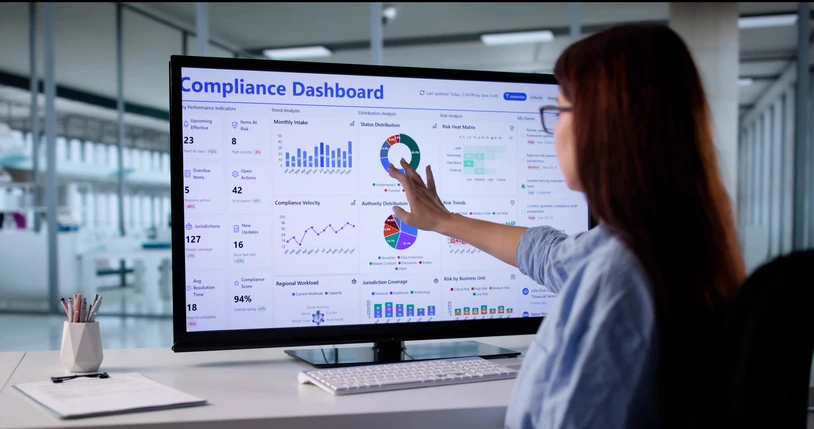
Security technologies alone cannot ensure compliance. Organizations must also establish policies, documentation, auditing procedures, and governance frameworks that support regulatory obligations and business objectives. Compliance and governance services help organizations demonstrate responsible handling of sensitive information while reducing legal and financial risk. TeamLogic IT in Kirkland helps businesses align their security controls with industry regulations such as HIPAA, GLBA, PCI DSS, state regulations, and industry-specific security standards.
Governance begins with understanding what data exists, where it resides, and how it flows throughout the organization. Data classification initiatives identify sensitive information while retention policies determine how long information should be maintained before secure disposal. Database activity monitoring provides visibility into how sensitive records are accessed and modified, generating alerts when activity violates organizational policies or compliance requirements. By integrating governance with ongoing managed security services, businesses reduce administrative overhead while improving regulatory readiness.
Reduce Data Loss and Security ExposureOrganizations implementing comprehensive data protection services experience significant operational advantages beyond cybersecurity alone. A layered security approach helps reduce breach risk by protecting multiple attack surfaces simultaneously. Backup systems, endpoint security, IAM, DLP, encryption, and monitoring work together rather than operating independently. |

Why TeamLogic IT’s Data Protection Services WorkEffective security requires more than installing software. Threats evolve constantly, regulations change, and business technology continues to grow more complex. TeamLogic IT in Kirkland provides ongoing management that helps organizations stay ahead of emerging risks. Continuous cybersecurity monitoring allows potential issues to be identified before they become major incidents. Automated alerts, endpoint monitoring, vulnerability management, and proactive maintenance improve overall security while reducing operational disruptions. |